
What is the Sanctuary of Capocolonna and why do pilgrims visit?
The Sanctuary of Santa Maria di Capocolonna rises on the Lacinian promontory, on the Ionian coast a few kilometres from Crotone. It stands close to the archaeological area of the ancient sanctuary of Hera Lacinia, of which a single Doric column survives as the symbol of the park.
The present church was probably built by Basilian monks between the eleventh and thirteenth centuries and was altered many times. In the eighteenth century it served as a hermitage, and in 1897 it took its present form after an enlargement designed by the Marquis Anselmo Berlingeri.
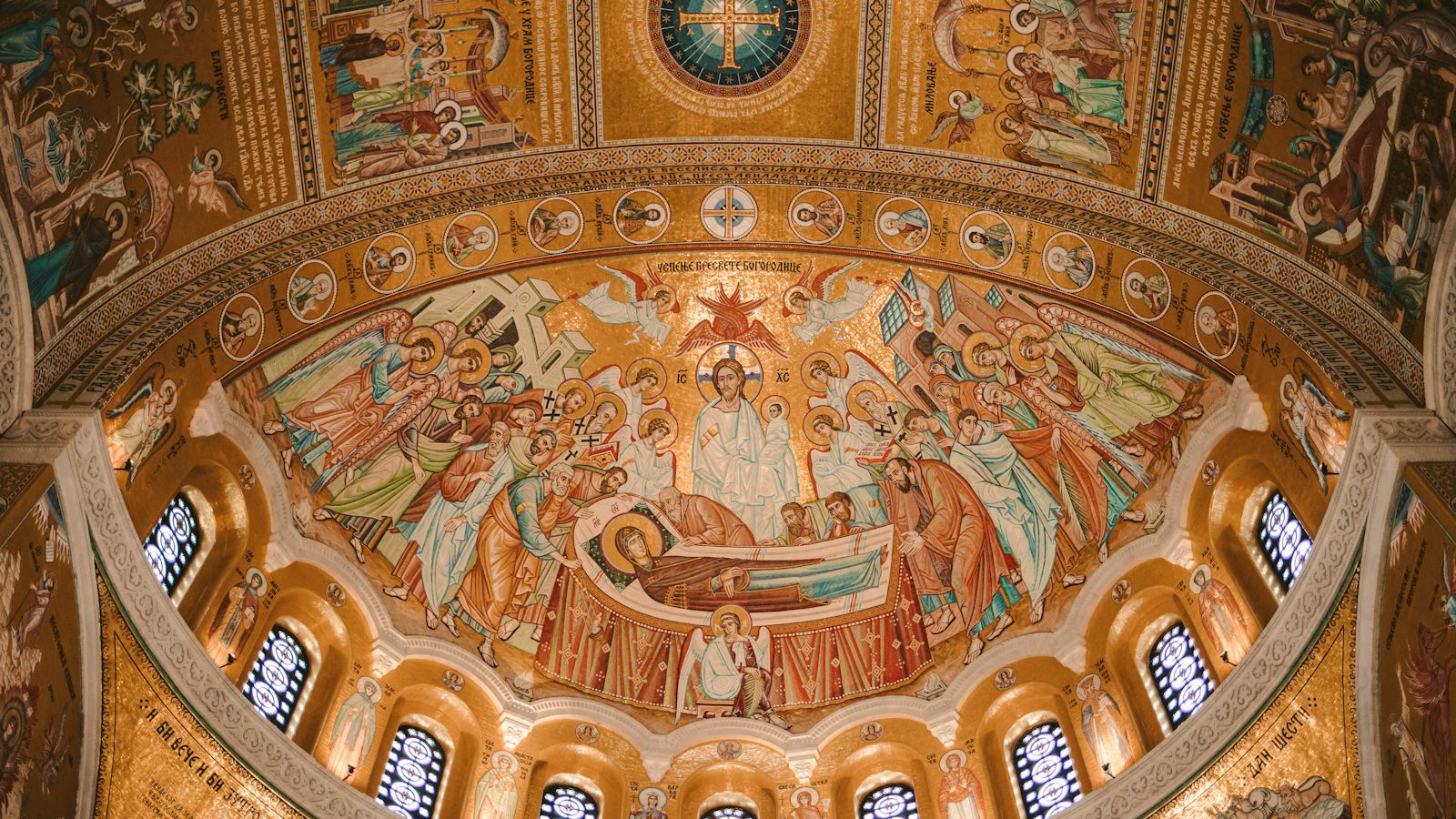
The devotion centres on an icon of the Virgin, probably Byzantine and dated to the tenth or eleventh century. According to tradition it was donated by Saint Dionysius the Areopagite. The icon was once kept inside the sanctuary but is now preserved in Crotone Cathedral. For the feast of the Madonna di Capocolonna it is carried in procession from the cathedral to the sanctuary, a tradition that joins the Greek sacred landscape of the cape with centuries of Marian devotion.
The cape also holds the Capo Colonna archaeological park, with an older cult site, a banqueting building, a Roman settlement, the sixteenth-century Torre di Nao and a small museum.
How do you get to the Sanctuary of Capocolonna?
- By car: the sanctuary is on the SS106bis and the archaeological park is on the SP50, roughly 10 kilometres from Crotone.
- By train and air: Crotone has a railway station and Sant'Anna Airport; check local operators for onward transport to the cape.
When is the Sanctuary of Capocolonna open and when are Masses held?
The archaeological park beside the sanctuary is listed by italia.it as open Tuesday and Wednesday 9:00 to 13:00, Thursday 14:00 to 19:00, Friday 9:00 to 13:00, Saturday and Sunday 9:00 to 19:00, and closed on Monday, at the time of writing: check the official site before visiting. Telephone +39 0962 934814.
Opening hours and Mass times of the sanctuary itself are best confirmed with the Archdiocese of Crotone-Santa Severina. Because the icon is now in Crotone Cathedral, visit the cathedral too if you wish to venerate it outside the annual procession.
The cape is exposed to wind and sun; bring water and a hat in summer.