Verified accurate as of April 2026
•
Sources checked against official sanctuary, diocesan and tourism websites
About Valle d'Aosta
Alpine sanctuaries and Romanesque abbeys nestled in Italy's smallest region. As one of Italy's northern regions, Valle d'Aosta preserves a remarkable concentration of Christian heritage spanning Romanesque cathedrals, Marian sanctuaries, and ancient pilgrim roads.
Whether you come to walk an established route, venerate a specific saint, or simply absorb centuries of devotion in stone and fresco, Valle d'Aosta rewards every pilgrim with a different spiritual landscape.
Highlights
- Sanctuary of Notre-Dame des Neiges (Cuney)
- Aosta Cathedral (Santa Maria Assunta)
- Abbazia di Sant'Orso (Aosta)
All 7 Religious Itineraries in Valle d'Aosta
From the high-altitude Marian sanctuary at Cuney to the Romanesque cloister of Sant'Orso and the Alpine Via Francigena crossing the Gran San Bernardo — Italy's smallest region holds a notable concentration of high-altitude sacred heritage.
- 1 Collegiata di Sant'Orso & Cattedrale di Aosta Aosta's two main religious complexes stand a short walk apart. The Collegiate Church of Sant'Orso is known for its Romanesque cloister with carved capitals, a five-nave …
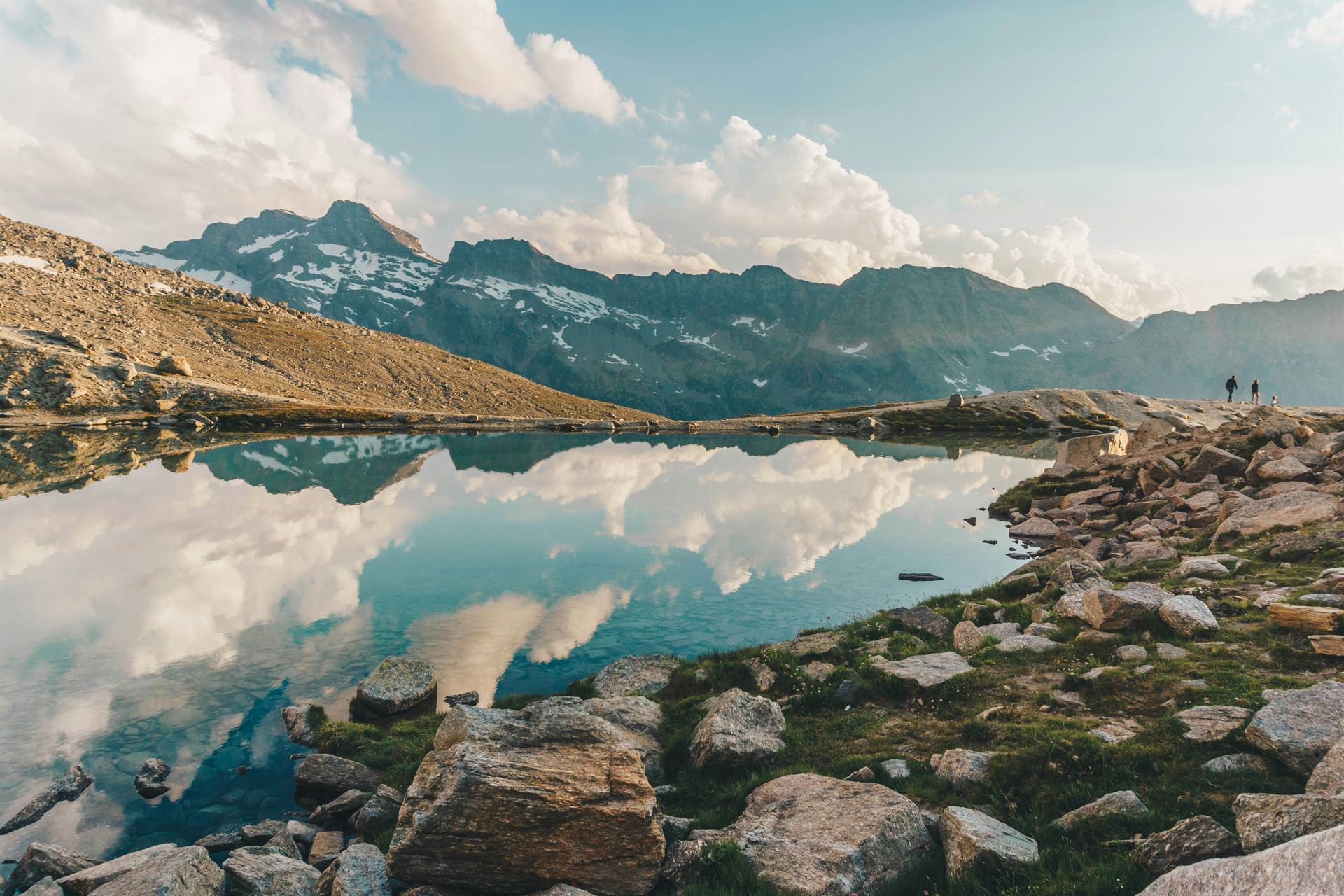
- 2 Santuario di Notre-Dame des Neiges — Cuney (Nus) The Sanctuary of Notre-Dame des Neiges stands at about 2,650 metres in a hollow below the Becca del Merlo, above the Saint-Barthélemy valley in the commune of Nus. Pilgr…
- 3 Via Francigena — Aosta Valley Stretch (Gran San Bernardo to Pont-Saint-Martin) The Aosta Valley stretch of the Via Francigena runs from the Great St Bernard Pass down to Pont-Saint-Martin, where the Roman bridge marks the end of the region. Regiona…
- 4 Forte di Bard & Sanctuary of Machaby — Arnad The Sanctuary of Madonna delle Nevi at Machaby is a small mountain church set among chestnut woods above Arnad in the Aosta Valley, at 696 metres. Of fourteenth-century …
- 5 Hospice du Grand-Saint-Bernard — Alpine Pass Pilgrimage The Hospice of the Great St Bernard stands at the top of the Alpine pass between Switzerland and the Aosta Valley. Founded around 1050 by Saint Bernard of Aosta, it is s…
- 6 Santuario di Notre-Dame de Guérison — Courmayeur Notre-Dame de la Guérison, Our Lady of Healing, is a Marian sanctuary at the start of the Val Veny above Courmayeur, at the foot of Mont Chétif. Its walls are covered wi…
- 7 Cammino Balteo — Ring Walking Pilgrimage of the Valley The Cammino Balteo is a circular walking route of about 350 kilometres around the Aosta Valley, divided into 23 stages. It runs at mid and low altitudes through villages…
Practical Information
Valle d'Aosta is well connected by rail and road to Italy's main transport hubs. International pilgrims typically fly into Rome (FCO) or Milan (MXP), then take a high-speed train or regional service. Renting a car offers the most flexibility for reaching rural sanctuaries.
Pilgrim hostels (ostelli), monasteries offering hospitality, agriturismi, and small family-run hotels are widely available. Booking ahead is strongly recommended for peak season (June–September).
June–September offers the best balance of weather, daylight, and active religious calendar. Avoid August where possible — many local facilities close and crowds peak.
Cover shoulders and knees inside churches and sanctuaries. Silence is expected during Mass. A small offering at sanctuary candle racks is customary. Local feast days often involve evening processions — participating respectfully is welcomed.