
What is the Cathedral of San Lorenzo and why do pilgrims visit?
The Metropolitan Cathedral of Saint Lawrence is the seat of the Archbishop of Genoa. Excavations on the site have revealed Roman-era walls and pre-Christian sarcophagi, suggesting an older burial ground. The first cathedral, now the basilica of San Siro, was probably founded in the 5th or 6th century.
Pope Gelasius II consecrated the present church in 1118, and Genoa became an archbishopric in 1133. After a fire in 1296 the building was partly restored and rebuilt, and the facade was completed between 1307 and 1312. Its Gothic west front is largely early 13th century in character, with tower loggias added in 1455 and 1522.
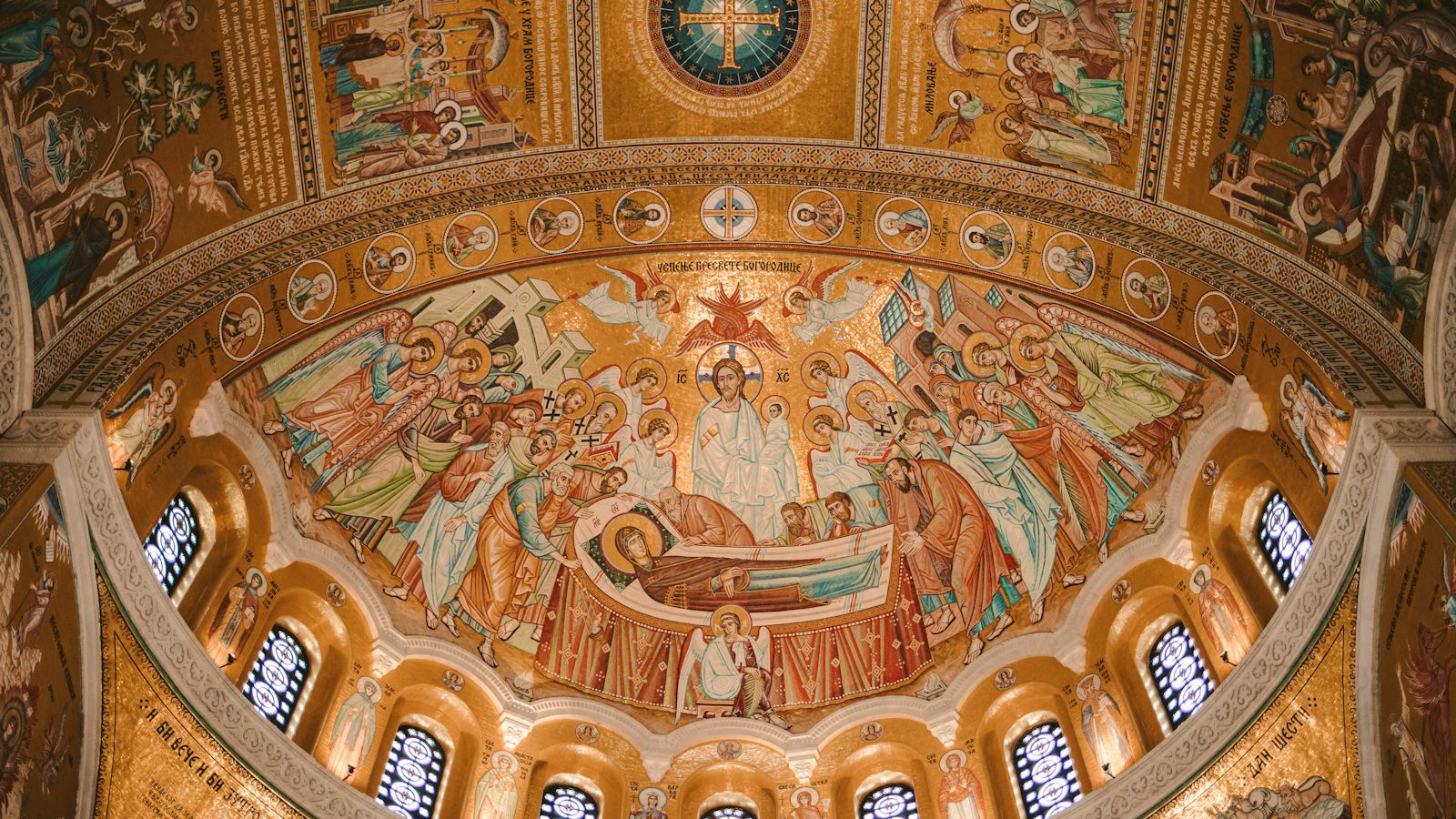
Inside, look for a ceiling fresco of the Martyrdom of Saint Lawrence by Lazzaro Tavarone, a Crucifixion with Saints by Federico Barocci and a 1914 Assumption by Gaetano Previati. An unexploded naval shell that landed in the nave in 1941 is still kept there, with a commemorative inscription.
Beneath the church, the Treasury Museum occupies underground rooms and holds gold and silver work and sacred art from the 11th to the 19th centuries. Its highlights are:
- the Sacro Catino, a 9th-century glass vessel brought from Caesarea and traditionally said to be the chalice of the Last Supper;
- the Zaccaria Cross, a Byzantine reliquary said to contain relics of the True Cross;
- the chest of the ashes of Saint John the Baptist, together with other objects linked to his cult in Genoa.
How do you get to the Cathedral of San Lorenzo?
- On foot: the cathedral stands in Piazza San Lorenzo in the historic centre of Genoa, and is easily reached on foot or by public transport from the rest of the city.
- Old town circuit: the nearby churches of San Matteo, Santa Maria di Castello and Sant'Ambrogio can be added on a walking day in the old town.
When is the Cathedral of San Lorenzo open and when are Masses held?
The cathedral is an active church, so visits should respect services. Opening times and ticket details for the Treasury Museum are published by the city museums service at museidigenova.it; check the official website before visiting.
The feast of Saint John the Baptist on 24 June is a major date in Genoa's calendar of devotion to the saint whose ashes are kept in the museum.