
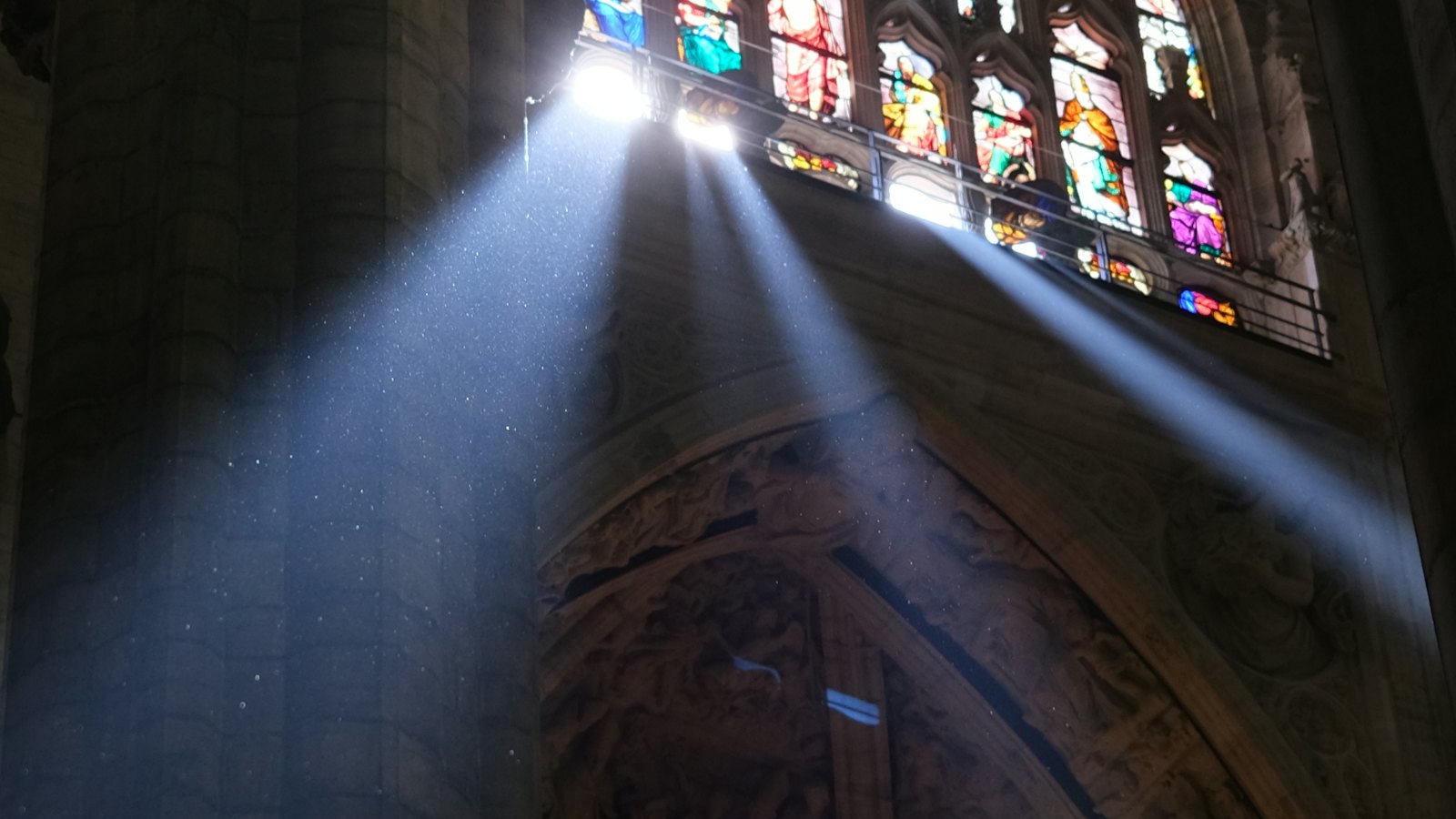
Why is Lecce important for pilgrims?
Lecce is a city of churches in the heel of Italy. Starting in 1630, it gained a remarkable series of Baroque monuments, and its warm limestone, soft and easy to carve, allowed sculptors to cover facades with flowers, animals and saints. This is the reason Lecce is called the Florence of the South.
For pilgrims the interest is not only artistic. The churches record centuries of devotion, from the Norman foundations of the 12th century to the religious orders that built the great Baroque houses of prayer. The circuit is compact enough to walk in a day, yet rich enough to fill two.
Lecce's first Christian bishop, Orontius (Sant'Oronzo), is the patron saint of the city. The cathedral stands at the south-east corner of Piazza del Duomo, in the heart of the historic centre.
What can you see and venerate in Lecce's Baroque churches?
A sensible route begins at the cathedral, continues to Santa Croce, and then moves through the old streets to Sant'Irene and the Norman church of Saints Nicholas and Cataldus.
- Cathedral (Piazza del Duomo): first built in 1144 and repaired in 1230, it was rebuilt by Giuseppe Zimbalo in 1659 for Bishop Luigi Pappacoda. The northern facade is a Baroque masterpiece with statues of Saints Giusto and Fortunato and, above, Saint Orontius. The bell tower, finished in 1661-1662, is 72 metres tall, rises in five tapering levels and ends in an octagonal majolica dome. Inside are three naves, a coffered wooden ceiling of 1685 with paintings by Giuseppe da Brindisi, twelve side chapels (one with a 16th-century nativity scene), a marble and gilded bronze high altar consecrated in 1757, and walnut choir stalls. Below lies a 12th-century crypt with ninety-two columns.
- Basilica of Santa Croce: begun in 1549 and listed as completed in 1695. The lower facade was finished by 1582 and the dome by 1590; the Zimbalo family and Cesare Penna shaped the upper facade, with its great rose window, six columns and carved animals and grotesque figures. Inside, the Latin cross plan has seventeen altars, a wooden coffered ceiling and the Baroque altar of Saint Francis of Paola.
- Sant'Irene (Via Vittorio Emanuele II): begun in 1591 by the Theatine Francesco Grimaldi and consecrated in 1639, modelled on Sant'Andrea della Valle in Rome. Saint Irene was co-patron of Lecce until 1656, when Pope Alexander VII named Saints Oronzo, Giusto and Fortunato patrons. A single nave opens onto three interconnected chapels on each side, with an altar of Saint Irene housing relics in nine busts.
- Saints Nicholas and Cataldus: founded in 1180 by Count Tancred of Altavilla with a monastery. Its facade was redesigned in the Baroque style in 1716, but the original Romanesque portal and rose window survive, with a 16th-century cloister alongside.
How do you get to Lecce's churches?
- By train: Lecce railway station is the southern terminus of the Adriatic line from Ancona, and also the end of the regional lines from Martina Franca and Otranto. The cathedral and the other churches are within the historic centre.
- By air: Brindisi Airport is the closest, about 39 km from Lecce.
- Local transport: Lecce has a local public transport network that includes a trolleybus service.
- On foot: the churches of the circuit lie close together in the historic centre, so walking is the natural way to visit them.
When are Lecce's churches open and when are Masses held?
At the cathedral, Mass times at the time of writing are as follows. In winter (standard time) weekday Mass is at 18:00 and the Saturday vigil Mass at 18:00; in summer (daylight saving time) both are at 19:00. Sunday and holiday Masses are celebrated between 11:00 and 18:00 in winter and between 11:00 and 19:00 in summer, and Sunday morning prayer (Lodi) is at 08:30. Check the cathedral's official website before visiting.
Visits to the main churches of Lecce are now managed through a combined ticket. It covers the cathedral, crypt and bell tower, Santa Croce, and other churches and the diocesan museum, and tickets are sold at the central ticket office in the former seminary at Piazza del Duomo 5. Visiting hours and prices change, so confirm them with the diocese before you go. Churches remain places of worship, so some areas may be closed during services.
Sant'Irene is a parish church and celebrates its patronal feast on May 5.
Practical tips for pilgrims
- Begin early at the cathedral, then walk to Santa Croce, which is a short distance away in the old town.
- Look up: the carved ceilings and facades repay a slow visit.
- Climb the bell tower only if it is included in your ticket; it offers views toward the Adriatic Sea.
- Allow a second day for the quieter churches such as Saints Nicholas and Cataldus.