
Why is Catania Cathedral important for pilgrims?
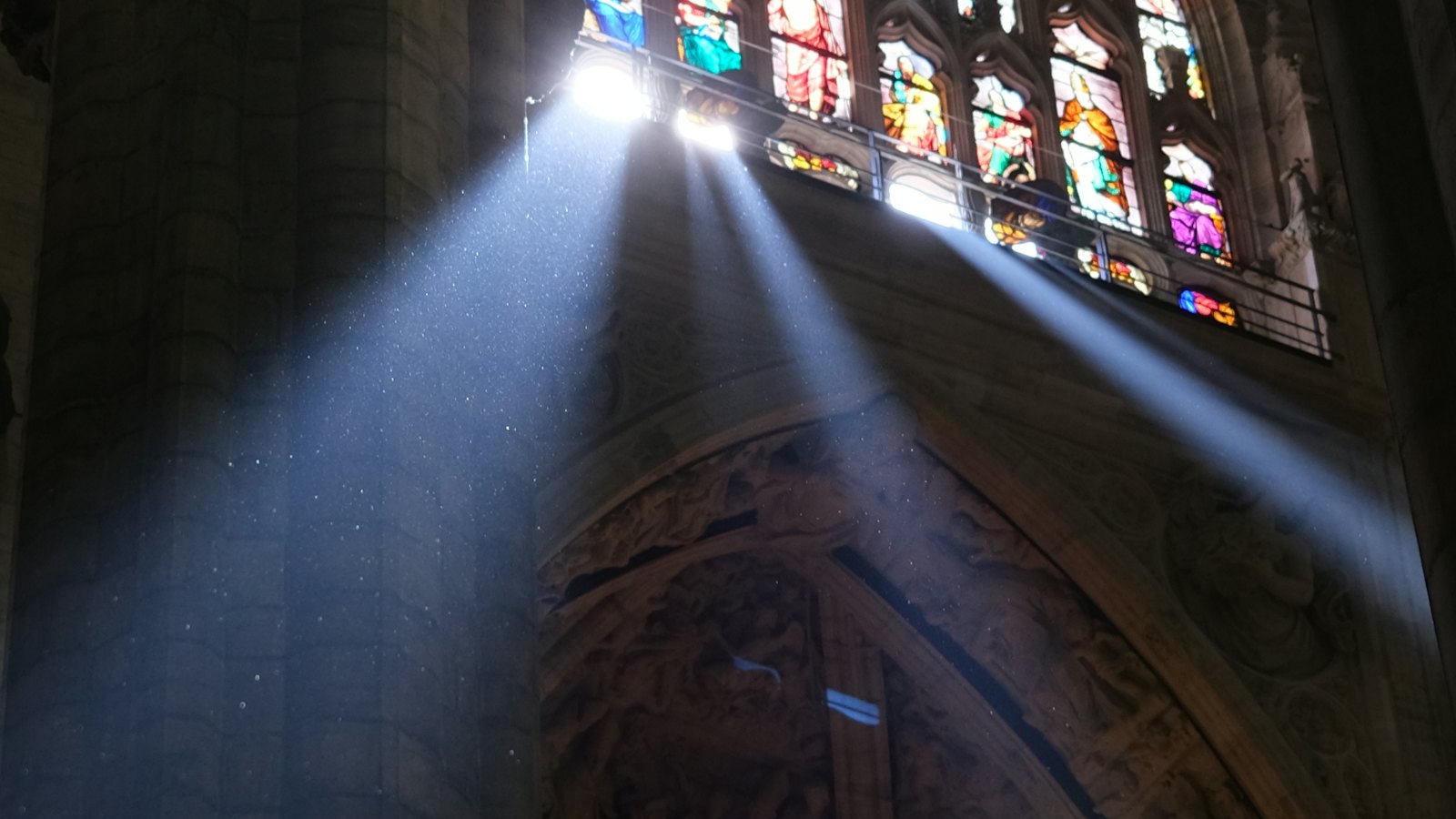
Catania Cathedral is dedicated to Saint Agatha, the young martyr who is the patron saint of the city. It stands in the historic centre, and for Catanians it is the focus of their most important religious celebration.
Agatha was martyred in Catania around the year 251, during the persecution of Decius. There is no reliable information about the details of her death, and her story comes to us through the tradition of the Church. Her feast day is February 5.
The cathedral was built between 1078 and 1093 on the ruins of the Roman Achillean Baths, at the order of Roger I of Sicily. The earthquake of 1169 destroyed nearly all of it, leaving only the apse area intact, and the earthquake of 1693 again left it largely in ruins. It was then rebuilt in the Baroque style, and the architect Giovanni Battista Vaccarini designed the new three-level facade with Corinthian columns in 1711.
What can you see and venerate at Catania Cathedral?
The cathedral combines Norman remains, Baroque architecture and the memory of Saint Agatha.
- The Baroque facade: designed by Vaccarini in 1711, after the earthquake of 1693.
- The Chapel of Saint Agatha: the chapel dedicated to the patron saint, a focus of devotion in the cathedral.
- The tomb of Vincenzo Bellini: the composer's tomb is in the southern aisle.
- The Achillean Baths: the Roman baths beneath the square, on which the cathedral was built. The ticket office is at the Diocesan Museum, Via Etnea 8.
- The Diocesan Museum: in the seminary building next to the cathedral. It also houses the silver fercolo, the carriage used in the procession of Saint Agatha.
The Feast of Saint Agatha is held each year from February 3 to 5, with a procession through the city that continues through the night. It is one of the largest religious festivals in Sicily.
How do you get to Catania Cathedral?
The cathedral is in Piazza del Duomo, in the heart of Catania's historic centre, and most places in the old town are within walking distance.
- By air: Catania-Fontanarossa airport is about 6 km south of the centre. The Alibus runs every 25 to 30 minutes to the central railway station (about 25 minutes); a taxi takes about 15 minutes.
- By train: Catania Centrale is in the city centre, and the old town can be reached on foot, by bus or by taxi. A metro line starts at the station.
- By car: driving in the centre is complicated by traffic and limited parking.
Traffic around the square is restricted during the feast of February 3 to 5, so plan to arrive on foot or by public transport. For current bus, metro and Circumetnea routes, consult the local operators.
When is the Cathedral open and when are Masses held?
Entry to the cathedral for prayer and visits is free, and decorous dress is requested, with shoulders and knees covered. Opening hours vary with the season, so check the official website of the cathedral or of the Archdiocese of Catania before visiting.
The Achillean Baths and the Diocesan Museum have a separate ticket office at Via Etnea 8. During the feast, extended hours and the display of relics are usual, and the programme is published each year by the cathedral and the diocese.
Regular Mass times change with the season. Check the official website before visiting.
Practical tips for pilgrims
- Cover shoulders and knees when entering the cathedral.
- For the Feast of Saint Agatha, February 3 to 5, book accommodation well in advance and expect very large crowds.
- Combine the cathedral with the Diocesan Museum and the Achillean Baths for a fuller visit.
- Wear comfortable shoes: the old centre has streets paved with lava stone.
- Check the opening times and the feast programme before travelling.